1. Introduction
Mandala art for Beginners is one of the easiest and most relaxing forms of drawing that helps you explore your creativity and calm your mind.
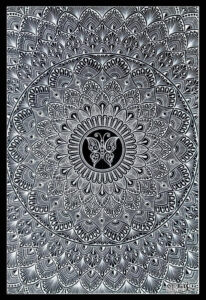
If you’re new to art and looking for something calming, creative, and deeply satisfying, Mandala Art is the perfect place to start. With its mesmerizing circles, patterns, and symmetry, Mandala Drawing is both a visual delight and a form of mindfulness. To know more about Mandala Art you can Explore Our Mandala Art Collection to see how these designs come to life.
This article about Mandala Art for Beginners is ideal because it doesn’t require advanced drawing skills. All you need is patience, a few basic tools, and a love for patterns. As you draw each line and fill in every petal, you’ll feel a sense of calm and focus — a soothing escape from the stress of everyday life.
2. What is a Mandala?
If you’re learning Mandala Art for Beginners, understanding what a Mandala truly means is the first step.
The word Mandala originates from the ancient Sanskrit language, meaning “circle.” It represents wholeness, balance, and unity. Mandalas have been a part of Hindu and Buddhist traditions for centuries, often used in meditation and spiritual practices to symbolize the universe.
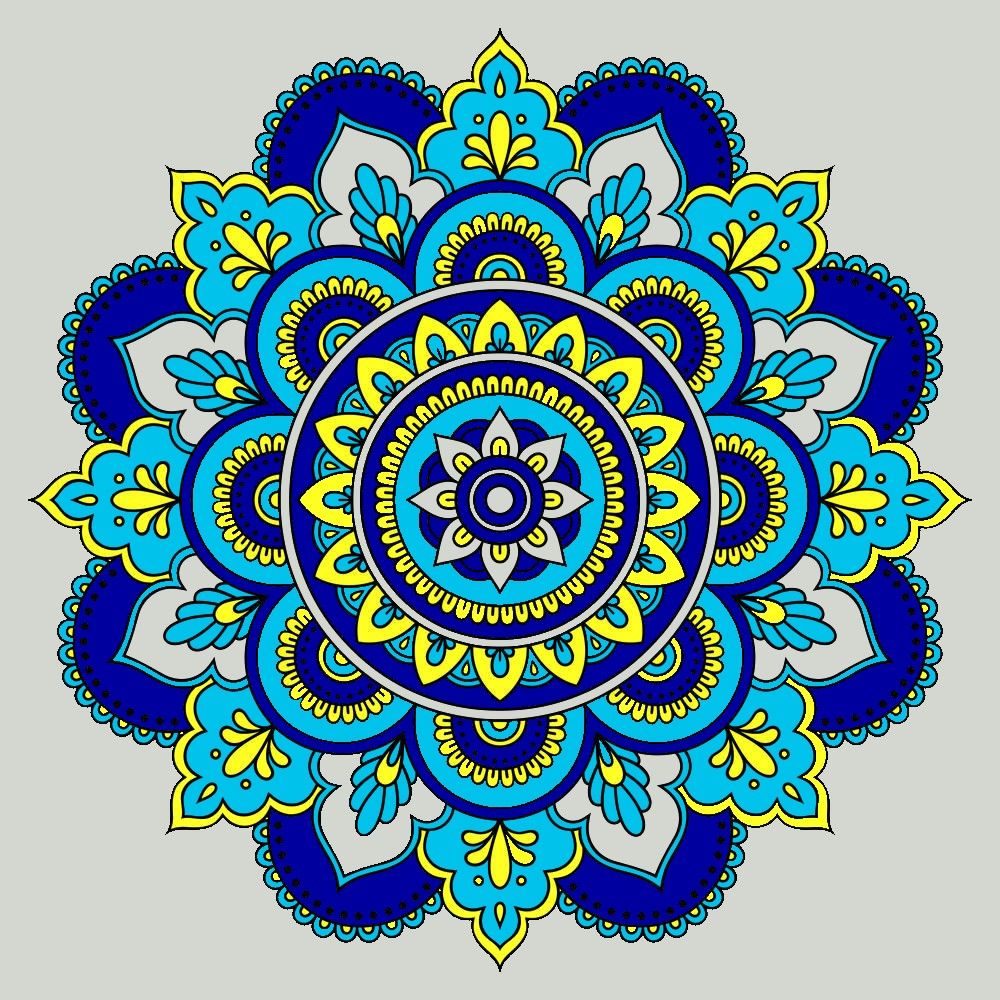
In a mandala, the circle stands for eternity — having no beginning and no end. The intricate patterns radiating from the center mirror life’s natural symmetry, reminding us that everything in existence is connected. Whether you draw or simply observe one, mandalas invite peace, focus, and harmony.
3. What You’ll Need to Start
For Mandala Art for Beginners, simple tools like pencils, rulers, and fine liners are enough to start.
Before you begin your mandala journey, gather a few simple tools. You don’t need fancy materials — just the basics will do.
Essential Tools
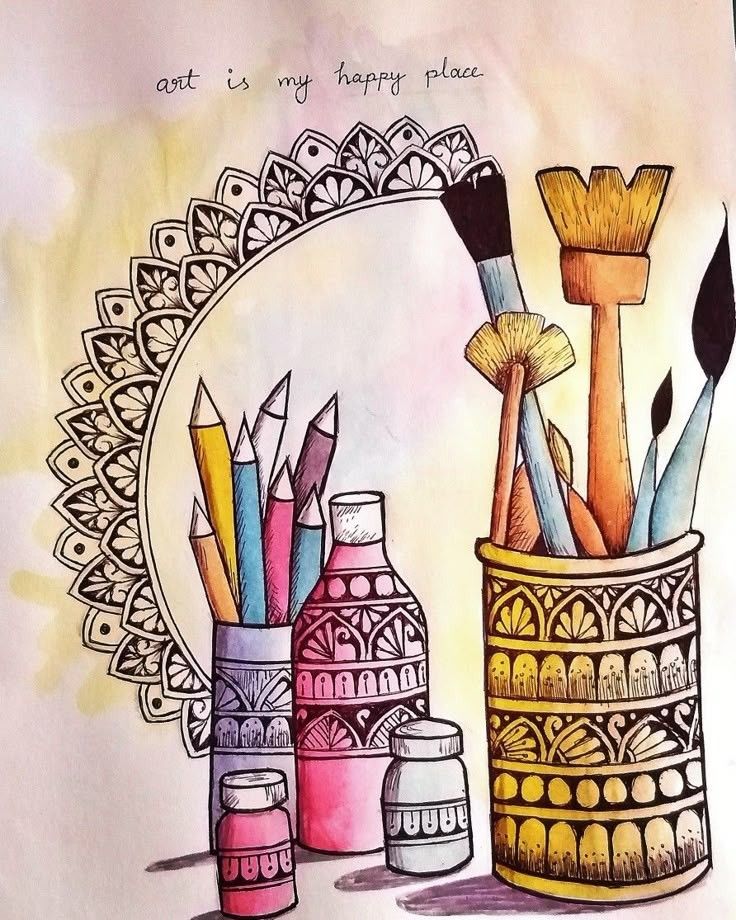
Tools required for Mandala Art for Beginners:
- Pencil and Eraser: For sketching your base structure.
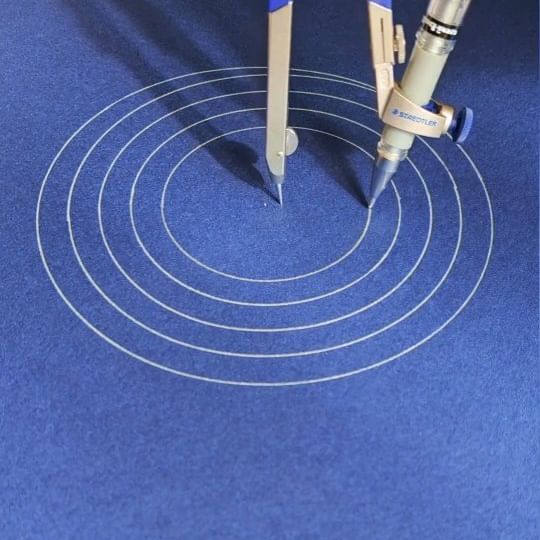
- Compass or Circular Object: To draw perfect circles.
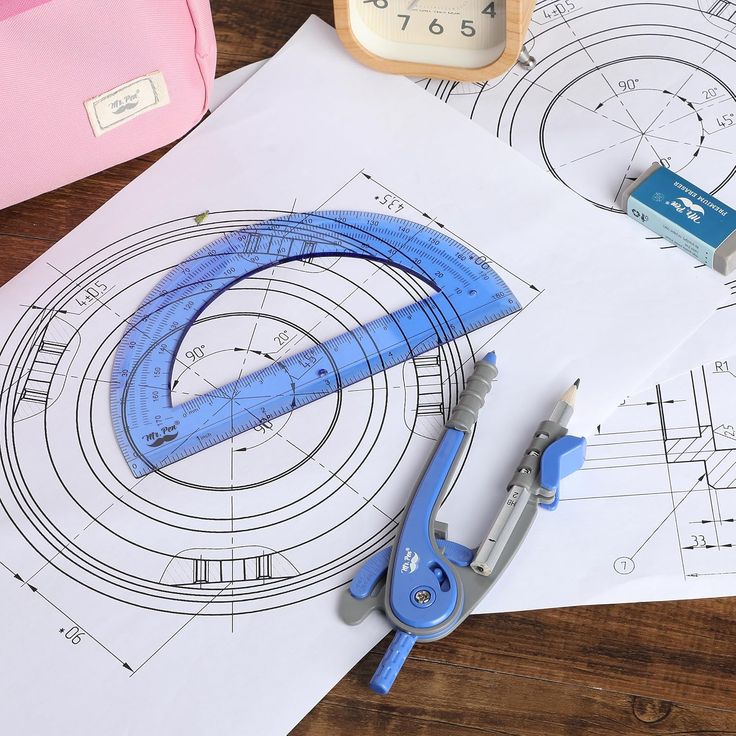
- Ruler: Helps maintain balance and symmetry.
- Fine Liners or Black Pens: For outlining patterns.
- Colors: You can use colored pencils, markers, or paints.
Recommended Materials for Beginners:
- Paper: A smooth, thick sheet (A4 or A5) is ideal for practice.
- Drawing Pad or Sketchbook: Keeps all your creations in one place.
- Micron or Gel Pens: For clean, smudge-free lines.
As you improve, you can experiment with canvases, wood boards, or digital tools.
4. Step-by-Step Guide: How to Draw a Simple Mandala
This step-by-step guide is ideal for Mandala Art for Beginners who want to create balanced and beautiful designs.
Creating a Mandala might look complex, but it’s actually very structured. Follow this simple step-by-step process to make your first design.
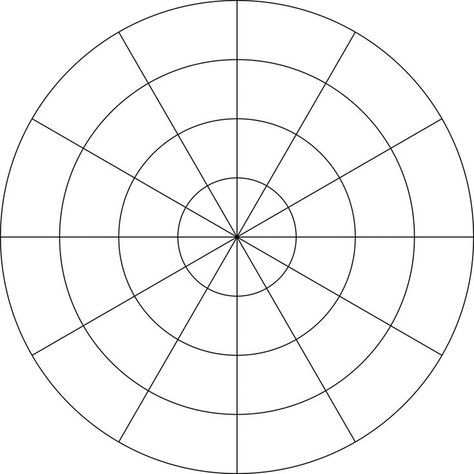
Step 1: Draw the Circle
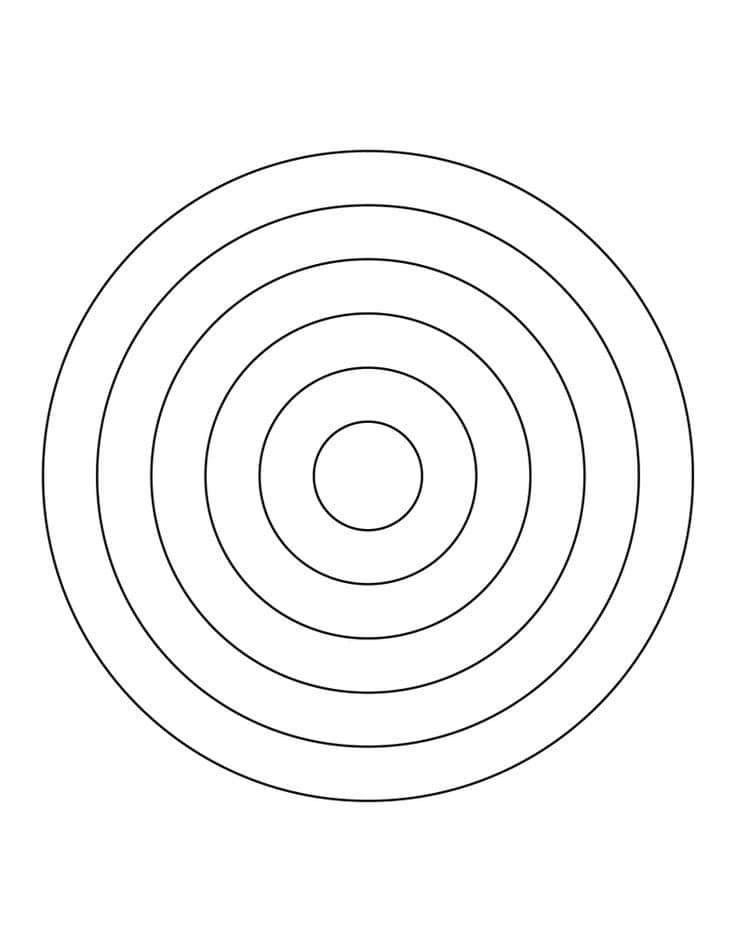
Use a compass or any round object (like a bowl) to draw several concentric circles on your paper. These will act as your guide.
Step 2: Divide the Circle
Draw light lines through the center — vertically, horizontally, and diagonally. This divides your circle into equal sections, ensuring perfect symmetry.
Step 3: Start with Basic Shapes
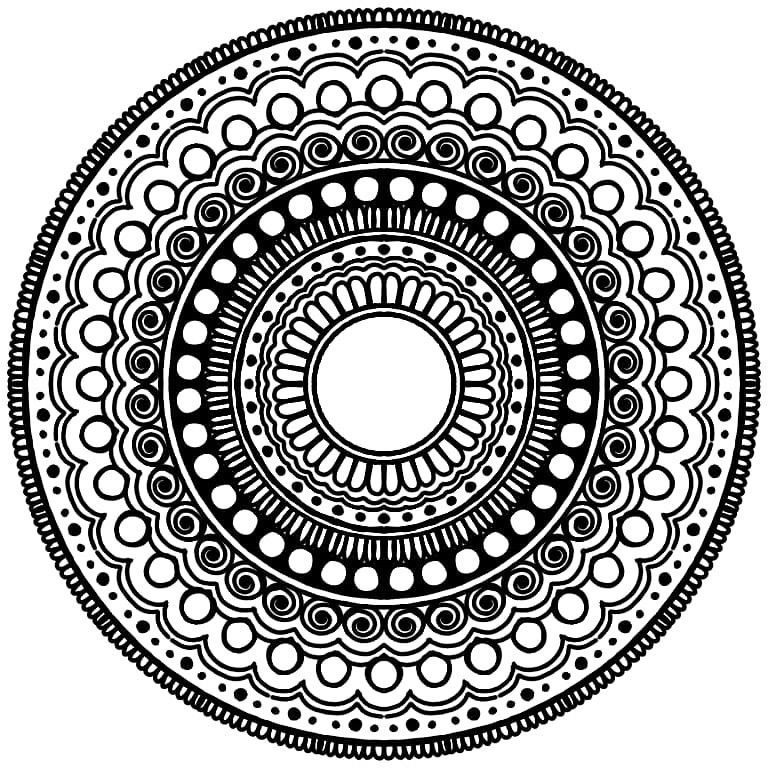
In the center, draw a small shape — maybe a dot, a flower, or a simple petal. Then slowly add layers of patterns such as triangles, petals, or loops as you move outward.
Step 4: Build Outwards
Keep repeating patterns around each circle. This repetition creates rhythm and balance — the essence of a mandala.
Step 5: Add Colors
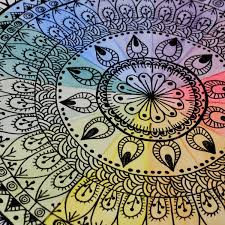
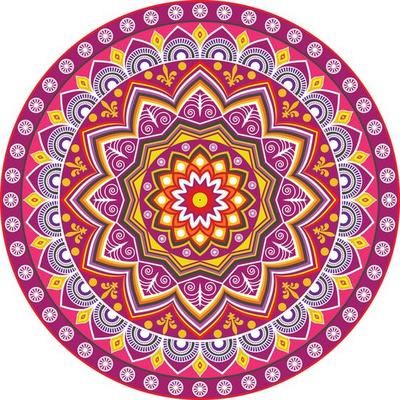
Once your outline is ready, fill it with colors. Choose soft, harmonious tones for a soothing look or bright, vibrant shades for a lively effect. Remember: the choice of colors can influence the emotion your mandala expresses.
5. Common Mistakes to Avoid
One of the biggest challenges in Mandala Art for Beginners is maintaining perfect symmetry while drawing.
Even though mandalas are simple, beginners often make small errors that affect the final result. Avoid these to improve faster:
- Uneven Symmetry: Forgetting to measure sections equally can make designs look unbalanced. Always draw light guidelines first.
- Rushing the Process: Mandalas are about patience. Take your time and enjoy the repetitive flow.
- Overcomplicating Designs: Start small. Too many details or colors can make your art look cluttered.
Consistency is key — one clean, balanced design is worth more than a complicated one.
6. Tips for Improving Your Mandala Skills
Mandala art for Beginners becomes easier with regular practice and observing traditional designs.
As you continue practicing, these tips will help you refine your work and make each design more beautiful:
- Start Small: Begin with mini mandalas before moving to full-page designs.
- Observe Traditional Mandalas: Study ancient or cultural designs for inspiration. Notice how artists play with balance, patterns, and symbolism.
- Experiment with Colors: Try monochrome or pastel combinations. Play with gradients for a professional finish.
- Use Templates: If freehand feels difficult, start with mandala grid templates to understand structure.
The more you practice, the more your lines and symmetry will naturally improve.
7. Benefits of Drawing Mandalas
Beyond their beauty, mandalas offer numerous mental and emotional benefits. That’s why they’re often used in art therapy and meditation to claim the mind.
- Mindfulness and Stress Relief: The repetitive motion of drawing and coloring mandalas helps calm the mind and ease anxiety.
- Improves Focus and Patience: You’ll notice how your attention sharpens as you concentrate on symmetry and detail.
- Boosts Creativity: The freedom to combine patterns, colors, and ideas enhances creative thinking.
- A Meditative Experience: Mandala art promotes inner peace and helps connect you with your inner self.
Even 20 minutes of mandala drawing a day can make a noticeable difference in your mood and mindset.
Many people who start Mandala Art for Beginners notice reduced stress and improved focus.
8. Mandala Design Ideas for Beginners
Here are a few simple design ideas to get you started:
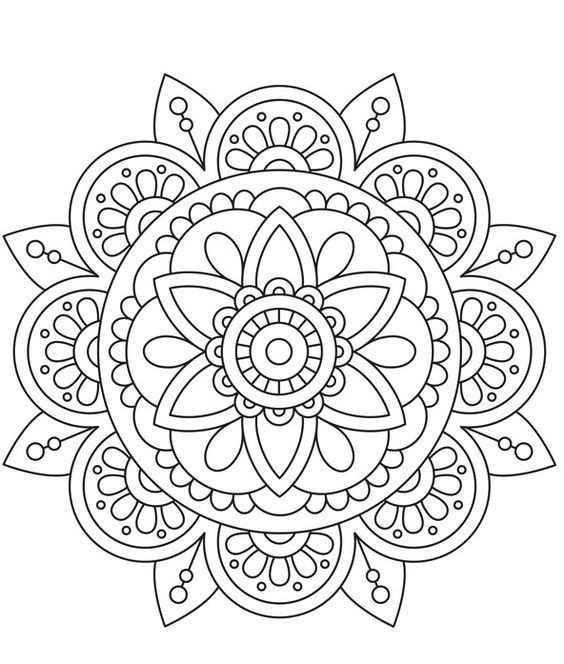
- Simple Floral Mandala: Begin with a flower in the center and expand it with petal layers and curves.
- Geometric Mandala: Use triangles, squares, and dots for a modern and minimal design.
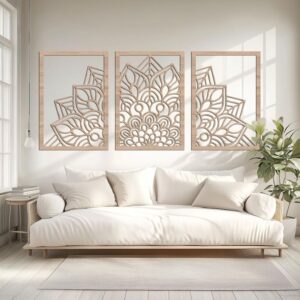
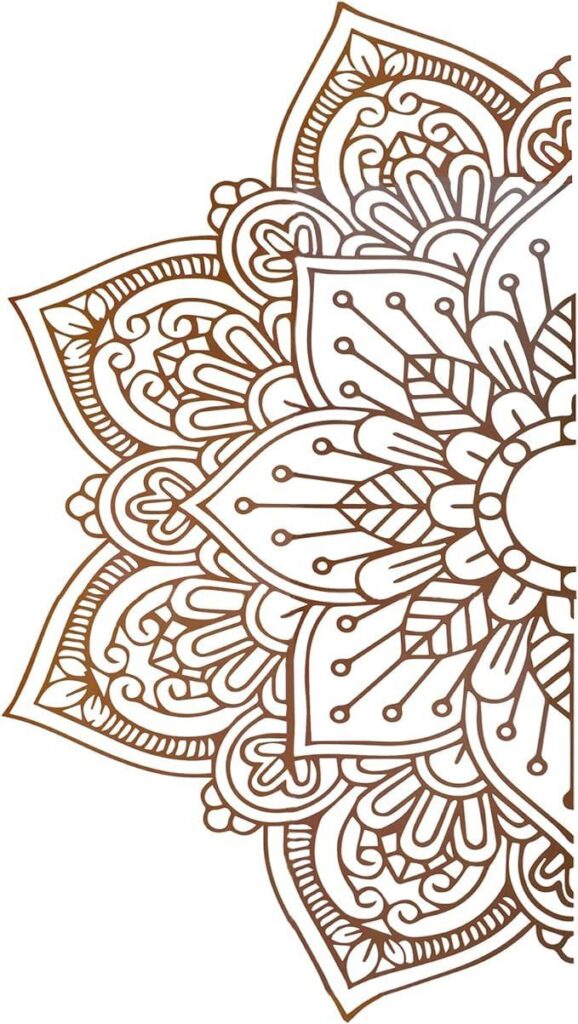
- Half Mandala: Perfect for notebook covers, greeting cards, or wall corners — draw only one side for an elegant touch.
Each design offers a new way to express your creativity while maintaining the meditative essence of mandala art.
9. Digital Mandala Drawing (Optional for Beginners)
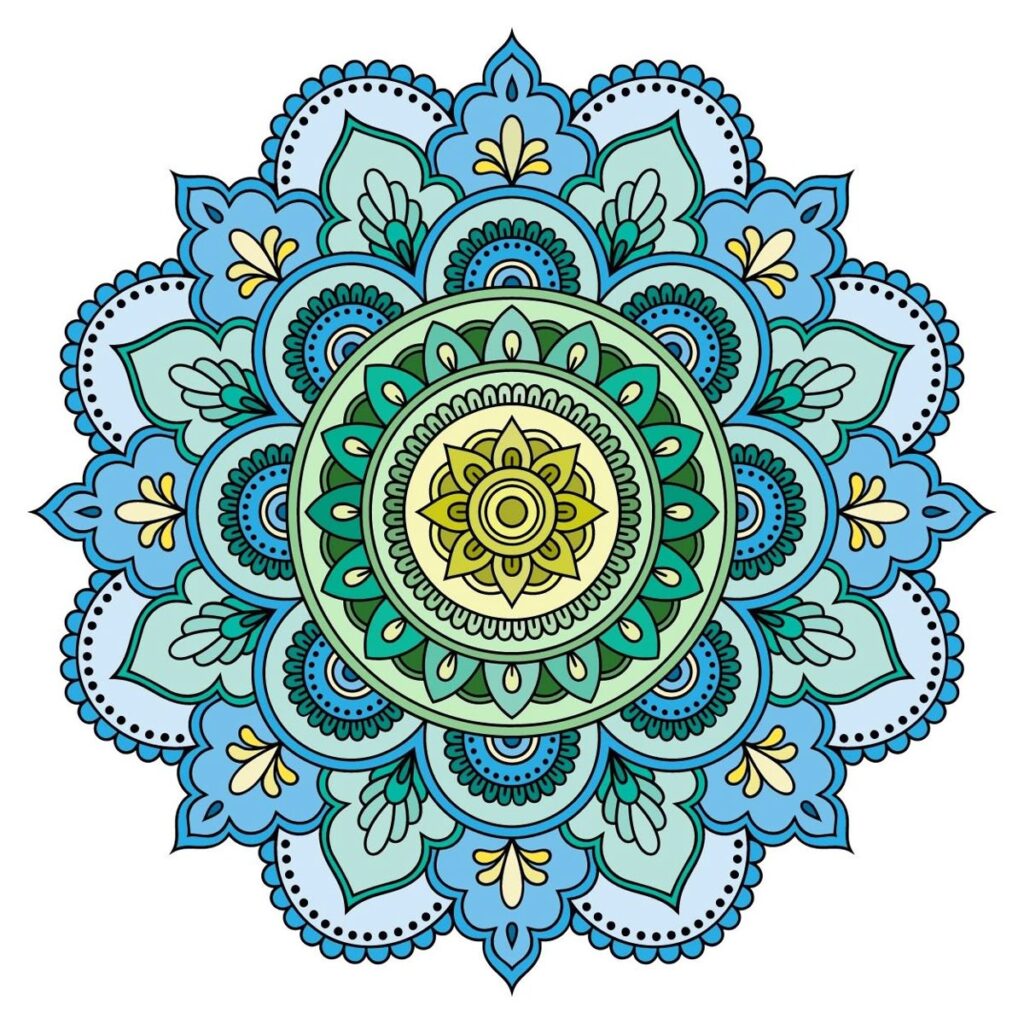
If you prefer technology or want to experiment with different styles, digital mandala creation is a great option.
Tools & Apps to Try:
- Procreate (iPad)
- Adobe Illustrator or Photoshop
- Mandala Maker Online (free tools)
Benefits of Digital Drawing:
- Easy symmetry tools for perfect balance.
- Undo/redo options to correct mistakes instantly.
- Access to endless colors, textures, and brushes.
Digital drawing is an excellent way to practice and refine designs before trying them on paper or canvas.
10. Conclusion
Mandala art is more than just drawing — it’s a journey of self-expression, focus, and peace. As a beginner, you don’t need to aim for perfection. Each line you create and each color you choose reflects your inner rhythm.
So, pick up your pen, draw your first circle, and start your mandala art journey today. With every pattern, you’ll find yourself becoming more centered, creative, and calm.
“When you draw a mandala, you draw the story of your soul.”
So, grab your pen and start your journey into Mandala Art for Beginners today!
Ready to Begin?
Explore our latest Mandala Art Prints and Beginner Art Kits to bring your creativity to life.
Let your imagination flow — one circle at a time.